
Targeted Employment Areas (TEAs) represent a critical, yet often misunderstood, facet of commercial real estate development. Far from being merely an immigration benefit, a TEA zone designation is a direct and compelling indicator of an underserved market, signaling immense untapped economic potential. Understanding the strategic implications of these areas is paramount for economic actors seeking high-impact development opportunities.
Understanding the Real Meaning of a Targeted Employment Area
To truly grasp the economic logic behind developing within a TEA, it is essential to understand the precise metrics and criteria that define such a designation. This classification is not arbitrary; it is rooted in specific economic indicators that highlight areas ripe for growth and revitalization. The policy behind TEA zones aims to funnel capital allocation into areas that genuinely need it.
Defining TEA: Criteria and Metrics
The definition of a Targeted Employment Area is strictly governed by federal regulations, primarily focusing on two key parameters: high unemployment rates or a rural classification. These criteria serve as robust indicators of economic distress or underdevelopment, suggesting a lack of commercial saturation and an urgent need for new ventures. The U.S. Bureau of Labor Statistics provides crucial data points that inform these designations, ensuring that the policy serves its intended purpose of economic revitalization.
High Unemployment Rates: A Key Indicator
A primary qualification for a TEA (Targeted Employment Area) designation is an unemployment rate that is at least 150% of the national average. This specific metric directly points to an abundance of available workforce and a clear demand for job creation, making development in such a zone not only socially beneficial but economically logical.
The presence of a significant pool of labor offers several advantages for new businesses:
- Competitive cost structure: Lower initial budget barriers compared to hyper-saturated markets.
- Favorable operating environment: Direct access to a motivated community workforce ready to integrate into the commercial fabric.
Rural Parameters and Their Significance
Alternatively, an area can qualify as a TEA if it is deemed “rural,” meaning it is outside of a metropolitan statistical area or a town with a population of 20,000 or more. Rural TEA zones present unique opportunities for development, often characterized by lower land acquisition costs, reduced commercial competition, and a strong sense of community eager for economic advancement.
Beyond Immigration: TEA as an Indicator of Underserved Markets
Moving beyond the perception of TEAs as solely an immigration benefit, it is crucial to recognize their fundamental role as powerful indicators of underserved markets. This designation points directly to areas where commercial saturation is low, and opportunities for significant economic development are abundant. For financial backers and economic actors, this translates into a strategic advantage, allowing them to tap into regions poised for substantial growth and community upliftment.
Lack of Commercial Saturation
The very definition of a TEA often implies a lack of significant existing commercial infrastructure and widespread economic activity. This absence of saturation means that new developments face less direct competition and have a greater potential to capture market share. It presents a unique environment where the introduction of new services, retail, or industrial facilities can create a profound impact on the local economy, establishing new hubs of commerce that previously did not exist.
Opportunities for High-Impact Development
Developing within a TEA zone offers unparalleled opportunities for high-impact projects that not only generate economic returns but also foster significant community benefits. Such developments can establish new sources of employment, enhance local infrastructure, and provide much-needed goods and services. The strategic deployment of capital in these areas ensures that every project contributes meaningfully to the region’s overall economic resilience and social well-being.
The Economic Logic of Building in High-Unemployment Zones
The decision to deploy capital in high-unemployment zones, often designated as TEAs, is underpinned by compelling economic logic. These areas, while facing challenges, present unique macro and microeconomic advantages that can significantly enhance the viability and impact of development projects. By strategically building in these zones, economic actors can leverage inherent benefits, ranging from lower operational costs to a readily available workforce and strong community demand.
Macro and Microeconomic Advantages
- Macroeconomic perspective: Regional economic revitalization, reduced local unemployment rates, increased municipal tax revenues, and stimulated general economic activity.
- Microeconomic perspective (for developers): Competitive cost structure, potentially lower land acquisition costs, and high workforce availability.
Lower Baseline Costs and Workforce Availability
One of the most significant draws for development in TEA zones is the lower baseline operational costs. The reduced demand in these underserved markets often translates to more favorable property acquisition prices. Furthermore, the high unemployment rates ensure a substantial and available workforce, reducing recruitment expenses and propelling a dedicated team motivated by stable employment.
Community Demand: The Untouched Resource
High-unemployment zones typically represent communities with significant unmet demand for goods, services, and employment opportunities. This latent community demand is an untapped resource, promising a ready consumer base and strong local support for new developments. Projects that address these community needs are met with enthusiastic patronage, fostering a loyal customer base and ensuring the long-term success of the venture.
Spotlight on MidTown Brownsville II: Strategic Growth in Action
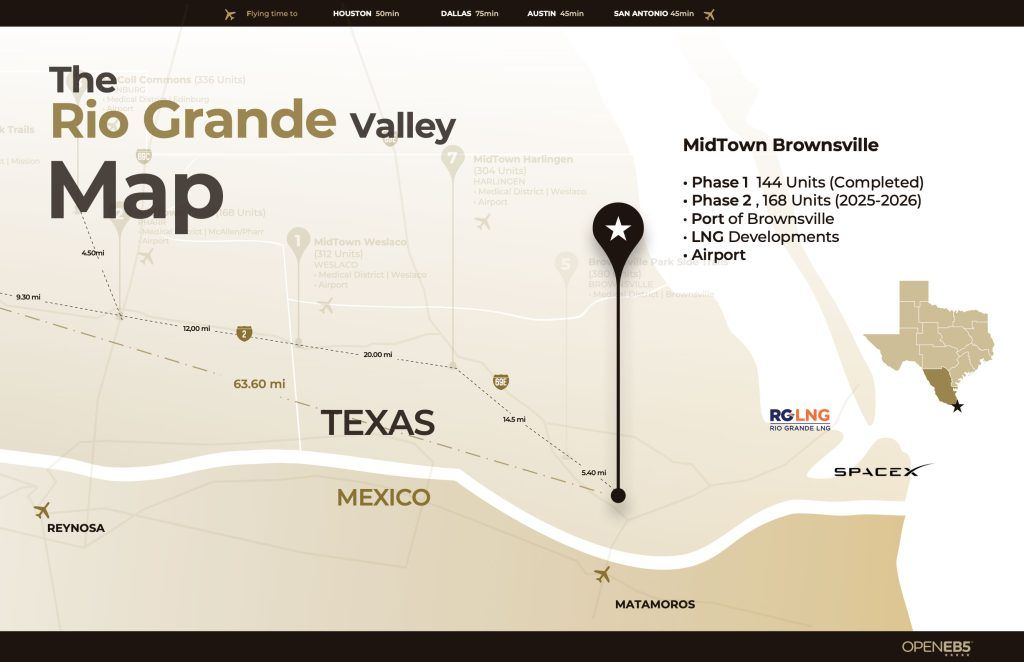
To illustrate the tangible benefits and economic logic of developing in Targeted Employment Areas, we turn our spotlight to a real-world project: MidTown Brownsville II. This development exemplifies how strategic capital allocation in underserved markets can create significant economic impact and foster sustainable community growth.
Project Overview and Objectives
MidTown Brownsville II is designed to address critical needs within its designated TEA zone, focusing on creating commercial spaces that stimulate local economic activity and provide essential services. The project’s objectives extend beyond mere physical construction; they encompass fostering a vibrant community hub, generating stable employment opportunities, and enhancing the overall quality of life for local residents.
Alignment with TEA Characteristics
This project is strategically located within an area that qualifies as a TEA due to its specific economic indicators, which reflect higher unemployment rates and a demonstrated need for commercial development. This alignment ensures that the project directly addresses market inefficiencies and leverages the inherent advantages of building in an underserved zone, such as a readily available local workforce and robust demand for new service alternatives.
More Details on MidTown Brownsville II
If you wish to dive deeper into the specifics of this high-impact development, comprehensive information regarding its scope, economic projections, and community benefits can be found directly on our main platform, Openeb5.
Connect With Our Team to Explore Opportunities
The strategic advantages of developing within Targeted Employment Areas are clear, offering a unique blend of financial viability and significant community impact. For economic actors and financial backers looking to capitalize on these underserved markets and contribute to sustainable development, engaging with experienced professionals is the next logical step.
Strategic Call to Action
We invite all interested parties and development sponsors to connect with our specialists to explore the myriad opportunities presented by TEA zone development. Our experts are ready to provide detailed insights into how your participation can align with robust financial objectives and significant societal contributions.
How to Reach Us
Taking the first step towards understanding and participating in TEA zone development is straightforward. We encourage you to reach out to our dedicated team through our official Contact Page to schedule consultations, ask specific questions about active projects, and discuss how your capital allocation can contribute to economically vital initiatives.
Further Resources on Economic Statistics
For those who wish to delve deeper into the data supporting TEA designations and the broader economic landscape, we recommend consulting authoritative sources. The U.S. Bureau of Labor Statistics provides comprehensive data on unemployment rates and labor market trends. Additionally, reports from the Department of Housing and Urban Development (HUD) offer valuable insights into community development in underserved markets, serving as a robust foundation for strategic decision-making in commercial real estate development.